PRODUCTION OF CELLULOSE WOOL IGLOO

Learn more about how waste paper is processed in the cellulose wool production cycle. Economical, eco-friendly, and sustainable cellulose wool insulation is made from 90% recycled waste paper and actively contributes to the development of the circular economy.

STEP 1: OBTAINING WASTE PAPER

To produce our cellulose wool, we collect returned and/or unused waste paper from reputable recycling companies. Throughout the Iso Green group, the processing of these raw materials into environmentally friendly thermal insulation allows us to recover nearly 45,000 tons of waste paper per year.

STEP 2: WASTE PAPER QUALITY CONTROL

The quality of the raw material guarantees the quality of our product. That is why, already at the stage of raw material delivery, we inspect and sort each batch to retain only paper that perfectly matches our specifications. The raw material must not contain any tape, plastic, grease, or solvents; it must also be dry so that it can be used to produce eco-friendly insulation.

STEP 3: SHREDDING

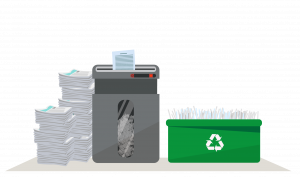
The sorted waste paper is then fed into a shredder, which breaks it down into uniform pieces. The material then passes through a magnetic screen to remove any metal waste.

STEP 4: ENSURING FIRE SAFETY

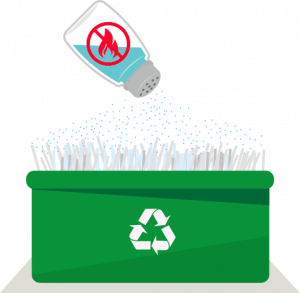
To enhance the fire resistance of insulation, we add a mineral salt-based fire-retardant solution. We test the manufactured material daily to ensure that it complies with applicable standards and regulations.

STEP 5: FIBROSIS

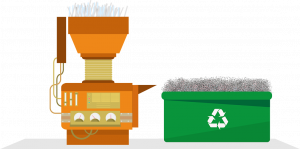
Shredded waste paper is defibered in a special grinding mill. At the end of this stage, our product takes on the form familiar to our contractors and customers. Cellulose wool consists of fibrous paper flakes, which allows it to fill even the smallest gaps. Thanks to its densely intertwined fibers, cellulose is naturally resistant to heat transfer. The penetration of thermal energy through the insulation layer takes 2.5 times longer than in the case of blown mineral wool. 

STEP 6: QUALITY CONTROL

Before packaging, we check that our cellulose wool meets legal requirements. Thanks to these rigorous checks, we can provide the highest quality eco-friendly insulation made from renewable raw materials. Cellulose wool, which has been used for over a century, is an insulating material whose properties are considered to be exceptionally durable.

STEP 7: PACKING

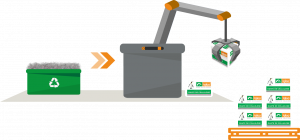
Compressed cellulose wool is packed into bags for storage and transport to our installers. Our material is used in the construction of and commercial buildings, as well as for insulating attics, sloping ceilings, walls, and floors. Cellulose wool is suitable for blowing, blowing and wet spraying as needed.

TO KEEP GOING.

Applications.

insulation is a versatile insulation material, suitable for insulating attics, walls, and floors, both in new buildings and during renovations.

Implementation.

Bulk cellulose wadding can be blown into attics, lofts, roofs, and floors, and wet sprayed onto walls.

Request a quote.

Are you a professional and would like to receive a quote for the delivery of Igloo cellulose wadding?

Find an applicator.

Are you a private individual and would like to contact one of our certified partners?